My Betta Was Dying, My Ferrets Kept Escaping, and Other Reasons I Finally Upgraded My Pet Gear
My Betta Was Dying, My Ferrets Kept Escaping, and Other Reasons I Finally Upgraded My Pet Gear
Some pet gear is fine. Some is terrible in ways you don't realize until you upgrade. My betta was slowly fading in an unheated bowl because I thought "betta fish don't need heaters." My ferrets treated their cage like an escape room challenge with a 100% success rate. My living room was perpetually covered in seed hulls because I bought the cheapest bird food on the shelf. And my dog barked at everything that moved outside. Everything. Here's what finally worked.
1. The Heater That Brought My Betta Back to Life
Pet stores sell bettas in tiny cups and tell you they're "fine in room temperature water." This is a lie. Bettas are tropical fish that need water between 78-80F. Room temperature is usually 68-72F, which makes them sluggish, suppresses their immune system, and dramatically shortens their lifespan. My betta was pale, lethargic, and barely eating. I thought he was old. He was three months old. He was just cold.
This submersible betta tank heater is small, adjustable, and maintains a steady temperature. Within 24 hours of installation, my betta was swimming energetically. Within a week, his colors had brightened so much he looked like a different fish. A month later, he was building bubble nests -- a sign of a healthy, happy male betta. A $15 heater turned a dying fish into a thriving one. If you have a betta in an unheated tank, please fix that. Please. Your fish is suffering and doesn't know how to tell you.

2. The Ferret Cage That Finally Outsmarted My Escape Artists
Ferrets are the Houdinis of the pet world. If there's a gap, they'll find it. If there's a latch, they'll figure it out. My two ferrets escaped their old cage at least three times a week, and I'd find them in increasingly absurd places -- inside the couch, behind the fridge, once somehow INSIDE a closed dresser drawer. Coming home to "where are the ferrets?" is a unique kind of panic.
This multi-level ferret playpen cage is essentially Fort Knox for small mustelids. The bar spacing is narrow enough that even the slimmest ferret can't squeeze through. The latches are secure and ferret-proof (my girls spent a full week trying and failing). The multiple levels with ramps, hammocks, and hideouts give them plenty of space to play, sleep, and plot -- but from inside the cage, where they belong. Zero escapes in two months. I no longer come home to a game of "ferret hide and seek." Everyone is safer, including the ferrets, who no longer have access to things they shouldn't chew, eat, or burrow into.

3. The No-Mess Bird Seed That Saved My Living Room
Standard bird seed mixes come with hulls -- the outer shells that birds crack open and discard. These hulls get everywhere. They float out of the cage. They stick to socks. They embed themselves in carpet fibers. I was vacuuming twice a day and still found seed hulls in my bed somehow. The mess was the number one reason I hesitated to recommend bird ownership to anyone.
This hulled seed mix is exactly what it sounds like -- seeds with the hulls already removed. No shells. No dust. No debris field expanding outward from the cage at a rate of approximately one foot per day. The seeds are fresh and high-quality, and my birds actually prefer them -- they don't have to work as hard to get to the good part. The floor around the cage is now clean. Vacuuming is back to a normal human schedule. If you have birds and your house looks like a granary exploded, switch to hulled seed. Your vacuum will thank you. Your bare feet will thank you. Your sanity will thank you.

4. The Bark Collar That Uses Vibration Instead of Shock
My dog is a watchdog by nature, which means he barks at squirrels, delivery trucks, the neighbor's cat, leaves blowing across the yard, and occasionally nothing at all -- just to keep in practice. I live in a neighborhood with close-set houses. The barking was becoming a problem. But I refused to use a shock collar. The idea of zapping my dog for doing something that's literally in his DNA made me feel sick.
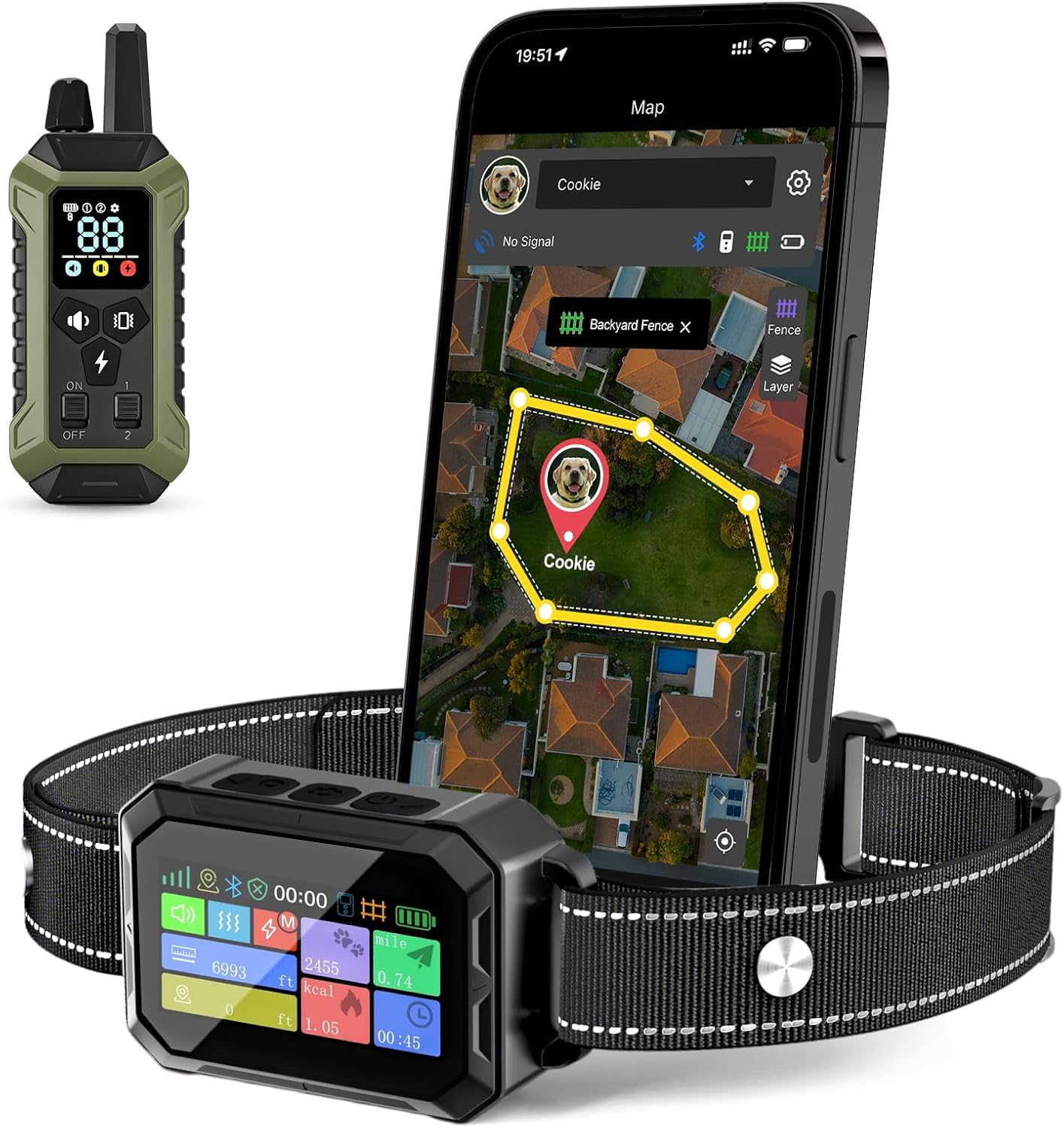
This vibration-based bark collar was the compromise. It detects barking through vocal cord vibration, not sound, so other dogs barking nearby won't trigger it. When my dog barks, it delivers a gentle vibration -- not a shock, not a spray, just an attention-getting buzz that interrupts the barking pattern. He learned within days that barking equals a weird feeling on his neck, and the excessive barking dropped to almost nothing. He still alerts when someone's at the door -- which is fine, I want that -- but the leaf-barking, squirrel-barking, nothing-barking is gone. No shocks. No pain. Just a well-behaved dog and peaceful neighbors.

5. The Cooling Vest That Made Summer Walks Possible Again
Black dogs in summer have it rough. My black Lab would start panting heavily five minutes into a walk in any temperature above 75F. By 10 minutes, she'd be looking for shade. By 15, she'd be lying down, refusing to move, giving me a look that communicated "you're trying to kill me." Summer walks became a dawn-or-dusk-only activity, and on really hot days, not even that worked.
This reflective cooling vest works through evaporative cooling -- you soak it in water, wring it out, and put it on. As the water evaporates, it pulls heat away from the dog's body. The reflective outer layer bounces sunlight off instead of absorbing it. My Lab can now do a 30-minute walk at noon without overheating. She actually seems comfortable -- trotting along normally instead of the heat-exhausted shuffle I'd gotten used to. The vest is lightweight and adjustable, and it doesn't restrict her movement at all. For any dark-coated dog in summer, this is the difference between "we can't walk today" and "let's go."

Bottom Line
Over 10 rounds of testing, here's what I've learned: most pet problems aren't actually problems with your pet. They're problems with your gear. A cold betta isn't a weak betta -- it's a betta without a heater. An escaping ferret isn't a bad ferret -- it's a ferret in the wrong cage. A barking dog isn't a bad dog -- it's a dog who hasn't been given a humane way to learn.
We owe it to our animals to give them what they need to thrive, not just survive. Sometimes that means spending a little money. Sometimes it just means paying better attention. Either way, they're worth it.
🛒 Ready to Shop?
All products featured in this guide are available on Amazon. Use the link below to start shopping for your pet — it supports our work at no extra cost to you.
Shop Pet Supplies on Amazon →🔥 Recommended Products